

Judge Selection Process in India: Collegium System Explained | Gurgaon Legal Guide (2026) By Clarity Counsel The judge selection process in India plays a crucial role in maintaining the independence and integrity of the judiciary. For clients and legal professionals in Gurgaon, understanding how judges are appointed helps build confidence in the legal system and its functioning. This article explains the Collegium system, constitutional framework, and recent developments, along with expert legal insight from Adv. Jogindra Anjna at Clarity Counsel. Constitutional Framework for Appointment of Judges The appointment of judges is governed by the Constitution of India, specifically: Article 124 – Appointment of Supreme Court judges Article 217 – Appointment of High Court judges Formally, judges are appointed by the President of India, but the process involves consultation with the judiciary to maintain independence. What is the Collegium System? The Collegium System is the current method of appointing judges in India. It gives primacy to the judiciary in recommending candidates. Composition of Collegium For Supreme Court: Chief Justice of India (CJI) Four senior-most Supreme Court judges For High Courts: Chief Justice of the respective High Court Two senior-most judges How It Works Collegium recommends names Names are sent to the Central Government Government may raise objections If reiterated, appointment becomes binding This ensures that the judiciary retains control over its own appointments, a key feature of judicial independence. Evolution Through Landmark Judgments The collegium system was developed through three important cases: First Judges Case (1981) – Executive had primacy Second Judges Case (1993) – Judiciary gained primacy Third Judges Case (1998) – Collegium system formalized These rulings reshaped India’s judicial appointment process. NJAC: Reform Attempt and Constitutional Challenge In 2014, the government introduced the National Judicial Appointments Commission (NJAC) to make the process more transparent. However, in 2015, the Supreme Court struck it down, holding that it violated the basic structure doctrine, which protects judicial independence. Key Issues in the Current System Despite its importance, the collegium system faces criticism: Lack of transparency No clear selection criteria Delays in appointments Limited accountability Legal experts, including Adv. Jogindra Anjna, note that while independence must be preserved, structured reforms and transparency are essential for public trust. Recent Developments (2024–2026) Recent developments in judicial appointments include: Publication of collegium resolutions for greater transparency Increased focus on diversity in appointments Continued debate between judiciary and executive over delays Efforts to reduce vacancies in High Courts For clients in Gurgaon, these developments directly affect case timelines and access to justice. Why This Matters for Clients in Gurgaon Understanding the judge appointment process is important because: It impacts speed of justice delivery Influences quality and independence of judgments Helps clients make informed legal decisions At Clarity Counsel, we ensure that clients receive clear, practical legal guidance based on deep understanding of the Indian judicial system. Conclusion The judge selection process in India, led by the collegium system, reflects a strong commitment to judicial independence. However, evolving challenges demand greater transparency and efficiency. For individuals and businesses in Gurgaon, staying informed about these processes is essential to navigating the legal landscape effectively.
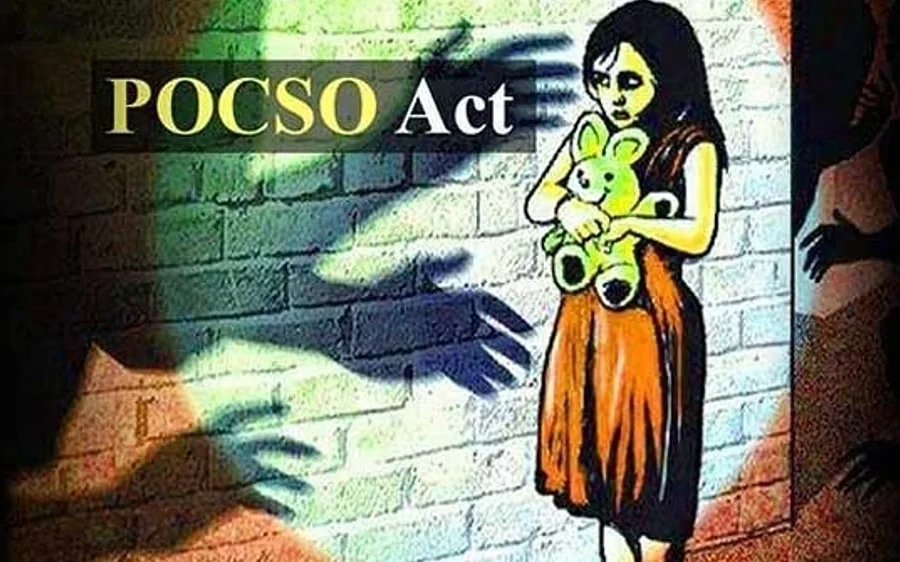
Understanding the POCSO Act in India: A Comprehensive Overview
Understanding the POCSO Act in India: A Comprehensive Overview By Clarity Counsel The Protection of Children from Sexual Offences (POCSO) Act, 2012 is a landmark legislation enacted in India to safeguard children from sexual abuse, harassment, and exploitation. Recognizing the vulnerability of minors, the Act provides a robust legal framework to address offences against children below the age of 18 years, ensuring both protection and justice. Key Objectives of the POCSO Act The primary objective of the POCSO Act is to protect children from sexual offences through stringent laws and child-friendly judicial procedures. Unlike earlier laws, the Act is gender-neutral and recognizes that both boys and girls can be victims of sexual abuse. (Jagranjosh.com) Additionally, the Act establishes Special Courts for speedy trial of offences and ensures that the child’s identity is protected throughout the legal process. Types of Offences Covered The Act categorizes offences into several types: Penetrative Sexual Assault (Section 3): Involves any form of penetration, even partial, and is considered a serious offence. (Legal Service India) Sexual Assault (Section 7): Includes non-penetrative acts such as inappropriate touching with sexual intent. (Supreme Today) Sexual Harassment (Section 11): Covers verbal, visual, or physical conduct of a sexual nature. Use of Children for Pornography (Section 14): Criminalizes involving children in any form of pornographic content. The Act also introduces “aggravated” forms of offences, which involve abuse by persons in authority (such as teachers, police officers, or family members) or offences against particularly vulnerable children. Punishments Under the Act The POCSO Act prescribes stringent punishments to deter offenders: Penetrative sexual assault: Minimum 10 years imprisonment, extendable to life imprisonment. (Legal Service India) Aggravated penetrative sexual assault: Minimum 20 years imprisonment, which may extend to lifeimprisonment or even death in extreme cases. (NewsCanvassEdu) Sexual assault: 3 to 5 years imprisonment along with fine. (JuryScan) Sexual harassment: Up to 3 years imprisonment with fine. (JuryScan) The severity of punishment reflects the seriousness with which the Indian legal system treats crimes against children. Child-Friendly Procedures One of the most notable features of the POCSO Act is its emphasis on child-friendly procedures. are recorded in a comfortable environment, often at their residence, and in the presence of a trusted individual. The child is not exposed directly to the accused during trial, minimizing trauma. (The Law Advice) The Act also mandates confidentiality of the victim’s identity and provides for medical care, counseling, and rehabilitation. Mandatory Reporting The Act imposes a legal obligation on individuals to report any knowledge or suspicion of offences under POCSO. Failure to report such offences can lead to punishment, thereby ensuring greater accountability in society. (The Law Advice) Conclusion The POCSO Act represents a significant step toward protecting children from sexual offences in India. By combining strict punishments with child-sensitive procedures, the law aims to create a safer environment for minors. However, effective implementation, awareness, and timely reporting remain crucial for achieving its intended objectives.

Navigating the Crossroads: A Comprehensive Guide to Divorce Law in India
Navigating the Crossroads: A Comprehensive Guide to Divorce Law in India By Clarity Counsel IntroductionDivorce is one of life’s most challenging transitions—emotionally and legally. In India, where personal laws are deeply tied to religion, understanding the legal framework is essential before taking any step. This guide breaks down the laws, procedures, and key judicial pronouncements shaping divorce in India.1. The Foundation: Marriage & Personal LawsIndia does not have a uniform civil code for marriage and divorce. Applicable law depends on religion: Hindu Marriage Act, 1955 (HMA) – Hindus, Buddhists, Jains, Sikhs Muslim Personal Law (Shariat) Act, 1937 & Dissolution of Muslim Marriages Act, 1939 – Muslims Indian Divorce Act, 1869 – Christians (amended in 2001 & 2022 for gender neutrality) Parsi Marriage and Divorce Act, 1936 – Parsis Special Marriage Act, 1954 (SMA) – Secular law for interfaith or civil marriages The Presumption Challenge: Section 118 BSAUnder the Bharatiya Sakshya Adhiniyam (BSA), Section 118 introduces a presumption:If a woman dies within seven years of marriage under unnatural circumstances and was subjected to dowry-related cruelty soon before her death, the court shall presume involvement of the husband or relatives.This reverse burden makes bail more complex compared to other offences.2. Two Paths to DivorceA. Contested Divorce (Fault-Based Grounds)Grounds vary by law but commonly include: Adultery Cruelty – Physical or mental (Samar Ghosh v. Jaya Ghosh, SC 2007 defined mental cruelty) Desertion – Continuous abandonment for 2 years (or 1 year under SMA) Conversion, Mental Disorder, Venereal Disease, Renunciation, Presumption of Death Muslim Women: Under the Dissolution of Muslim Marriages Act, grounds include non-maintenance, imprisonment, impotency, cruelty.3. Ancillary IssuesAlimony/Maintenance Interim (pendente lite) and permanent maintenance Factors: income, lifestyle, duration of marriage Key Case: Rajnesh v. Neha (SC, 2020) – Laid down uniform guidelines for maintenance. Child Custody Paramount consideration: welfare of the child Key Case: Gaurav Nagpal v. Sumedha Nagpal (SC, 2009) – Custody decisions must prioritize emotional and physical well-being. Property Division India does not follow community property Courts may: Return Stridhan to wife Order lump-sum settlement Consider homemaker contributions (beneficial interest principle) 4. Landmark Judicial Developments Irretrievable Breakdown of Marriage: SC can grant divorce under Article 142 (Shilpa Sailesh v. Varun Sreenivasan, 2023) Triple Talaq: Declared unconstitutional in Shayara Bano v. Union of India (2017); criminalized under Muslim Women Act, 2019 Cooling-Off Waiver: Amardeep Singh v. Harveen Kaur (2017) Maintenance Guidelines: Rajnesh v. Neha (2020) 5. Practical Steps Consult a Family Law Expert Explore Mediation – Mandatory under Family Courts Act Document Evidence – Financial records, communication, proof of misconduct Prioritize Children’s Welfare ConclusionDivorce in India is complex but navigable with clarity on personal laws, judicial precedents, and procedural safeguards. Courts aim to balance fairness, dignity, and the best interests of dependents.Key Case References Samar Ghosh v. Jaya Ghosh (2007) – Mental cruelty Amardeep Singh v. Harveen Kaur (2017) – Cooling-off waiver Rajnesh v. Neha (2020) – Maintenance guidelines Gaurav Nagpal v. Sumedha Nagpal (2009) – Child custody Shayara Bano v. Union of India (2017) – Triple Talaq invalid Shilpa Sailesh v. Varun Sreenivasan (2023) – Irretrievable breakdown

The Reverse Burden Battle: Bail in Dowry Death & Cruelty Cases Under BNS
The Reverse Burden Battle: Bail in Dowry Death & Cruelty Cases Under BNS By Clarity Counsel With the transition from IPC to the Bharatiya Nyaya Sanhita (BNS) in 2024, familiar provisions like Sections 498A and 304B have been replaced by Section 85 (Cruelty) and Section 80 (Dowry Death). These offences remain serious, but the legal framework for bail has evolved. Understanding the New Framework Old Law (IPC) New Law (BNS) Offence Punishment Sec 498A Sec 85 Cruelty by husband/relatives Up to 3 years + fine Sec 304B Sec 80 Dowry Death Minimum 7 years to life The Presumption Challenge: Section 118 BSAUnder the Bharatiya Sakshya Adhiniyam (BSA), Section 118 introduces a presumption:If a woman dies within seven years of marriage under unnatural circumstances and was subjected to dowry-related cruelty soon before her death, the court shall presume involvement of the husband or relatives.This reverse burden makes bail more complex compared to other offences.Strategies for Bail Applications1. Addressing Omnibus AllegationsCourts have cautioned against vague accusations that implicate multiple relatives without specific details.Example: Kahkashan Kausar v. State of Bihar (2022) — FIRs with generalized allegations were quashed for lack of specificity.2. Breaking the “Soon Before” LinkFor the presumption to apply, cruelty must be proximate to the death.Example: Karan Singh v. State of Haryana (2025) — The Supreme Court acquitted the accused where alleged harassment occurred long before the incident.3. Section 85 Cases: Arrest GuidelinesFor cruelty cases (Section 85), punishment is less than seven years.Under Section 35 BNSS and Arnesh Kumar v. State of Bihar (2014), police should issue a notice of appearance rather than arrest automatically.Landmark Cases to Cite Shabeen Ahmad v. State of U.P. (2025) — Bail denied for parents-in-law due to strong allegations; granted for sisters-in-law with minimal involvement. Karan Singh v. State of Haryana (2025) — Acquittal due to lack of evidence of cruelty “soon before death.” Kahkashan Kausar v. State of Bihar (2022) — Courts disapprove omnibus allegations. Arnesh Kumar v. State of Bihar (2014) — Arrest must be justified; notice preferred for offences under 7 years. Conclusion: Precision MattersTo secure bail: Provide specific facts about the applicant’s role and residence. Challenge the timeline to break the presumption. Emphasize constitutional principles like liberty and speedy trial.

Freedom Facing Life: Navigating Bail in Murder Cases Under BNS
Freedom Facing Life: Navigating Bail in Murder Cases Under BNS The charge of murder is the gravest in criminal law. As of July 1, 2024, India’s legal landscape has shifted with the enactment of the Bharatiya Nyaya Sanhita (BNS) and the procedural Bharatiya Nagarik Suraksha Sanhita (BNSS). Framework Overview Offence: Murder (Section 103 BNS, replacing Section 302 IPC) Punishment: Death or life imprisonment, plus fine Bail Provisions: Section 480 BNSS (Magistrate; formerly Section 437 CrPC) Section 483 BNSS (Sessions Court/High Court; formerly Section 439 CrPC) Magistrate’s Power: Section 480 BNSS An accused charged with a life‐or‐death offence may be granted bail unless there are reasonable grounds to believe guilt. Proviso to grant bail exists for vulnerable groups (women, children, sick, infirm) even in serious cases. Courts must hear the Public Prosecutor before bail decisions. Discretionary Relief: Section 483 BNSS Sessions Courts and High Courts enjoy greater flexibility. They consider: Chain of circumstances “Last seen” evidence reliability Parity with co-accused Trial delay and Article 21 Key Legal Considerations 1. Chain of Circumstances In purely circumstantial cases, the prosecution must prove a complete and exclusive chain pointing to guilt. Broken links support bail; incomplete chains weaken the prosecution’s case. 2. “Last Seen” Theory Jabir v. State of Uttarakhand (2023): The Supreme Court held that “last seen” evidence alone does not sustain conviction; it must form part of a robust chain. Use this precedent to argue bail where evidence lacks support or independent corroboration. 3. Parity If a co-accused in a similar role receives bail, principle of parity supports granting bail to the other accused. 4. Right to Speedy Trial Union of India v. K.A. Najeeb (2021): Supreme Court granted bail under UAPA, emphasizing that prolonged pre-trial custody violates Article 21 even in serious offences. Delay of 2–3 years (with minimal trial progress) in a murder case can be grounds for bail. 5. Constitutional Bail Principles Gudikanti Narasimhulu v. Public Prosecutor (1978): “Bail is the rule, jail the exception.” Courts must balance liberty (Article 21) with public justice, considering factors like nature of offence, evidence strength, antecedents, custody period, trial delay, and flight risk. Balancing Gravity and Liberty Magistrates may deny bail under Section 480 BNSS, but higher courts often grant it when: No reasonable grounds for guilt are shown The prosecution’s case is circumstantial and weak Trial is significantly delayed, violating Article 21 Co-accused have been granted bail There is no risk of flight, tampering, or witness intimidation Application Strategy For Defense Counsel Challenge the strength of circumstantial evidence Argue that “last seen” alone is insufficient under Jabir Invoke parity where applicable Highlight undue trial delay and Article 21 violation Offer conditions ensuring attendance and integrity For Prosecution Emphasize reasonable grounds for guilt at bail stage Present corroborative evidence beyond mere presence Argue against delay-based relief where trial is ongoing Highlight public interest, seriousness, and flight or tampering risk For Judiciaries Magistrates must apply Section 480 conditions strictly Higher courts should weigh Article 21 rights, jurisprudence under Najeeb and Gudikanti Ensure proportionality and fairness while upholding public interest Conclusion The BNS-BNSS regime continues India’s commitment to the principle that “bail is the rule, jail the exception.” While murder charges remain serious, case law supports bail when the prosecution cannot demonstrate reasonable grounds, evidence is weak, trials are unduly delayed, or procedural fairness is at risk—all within constitutional protections.

Beyond the Match: Is Next-Generation Sequencing (NGS) the Future of Admissible Evidence?
Beyond the Match: Is Next-Generation Sequencing (NGS) the Future of Admissible Evidence? By Clarity Counsel Hook: DNA has long been the silent witness in courtrooms. But as science evolves, so do the questions of law. From Length to Sequence: What’s Changing in Forensic DNA For three decades, the “gold standard” of forensic DNA was Short Tandem Repeat (STR) profiling analyzed by Capillary Electrophoresis (CE). STR-CE gauges the length of DNA fragments across loci; matching lengths inform match probabilities that powered CODIS and solved thousands of cases. NGS (also called Massively Parallel Sequencing—MPS) instead reads the bases themselves (A, C, G, T), yielding richer detail. Think of CE as confirming make and model, whereas NGS reads the license plate, interior color, and bumper scratches. This depth can salvage degraded samples and untangle complex mixtures (three-plus contributors) better than legacy methods. Forensically purposed platforms (e.g., MiSeq FGx) are specifically designed for human identification workflows and mixed/low-template samples. Admissibility: Reliability Versus Novelty U.S. Inflection Point — People v. Adrian Chavez (California, 2024) In January 2024, a California trial admitted NGS evidence after a pre-trial admissibility hearing concluded the technique was reliable and had general acceptance. The Kern Regional Crime Lab validated the MiSeq FGx workflow and used NGS to establish crime-scene location and circumstance in a double-homicide; a jury convicted Adrian Chavez. This was widely reported as the first successful U.S. admissibility of NGS data in a jury trial and has become persuasive authority that NGS is forensic-grade, not experimental.The Validity Challenge Defense teams routinely focus on validation and the bioinformatics pipeline: the software that calls alleles, assigns contributors, and calculates statistical weight. Courts increasingly expect laboratories to show error rates, internal/external validation, and software performance (including versioning and audit trails). Global guidance exists: SWGDAM interpretation addenda for SNPs/NGS; validation guidelines for methods and probabilistic genotyping. ENFSI Best Practice Manuals, including the 2024 internal validation of probabilistic software for DNA mixture interpretation. NIST scientific foundation reviews on DNA mixture interpretation. The Indian Legal Lens: Where Does NGS Fit? 1) Statutory Framework (2024–25) Bharatiya Sakshya Adhiniyam (BSA), 2023 — India’s new evidence law (in force from July 1, 2024) modernizes definitions, elevates electronic/digital records, and reorganizes expert evidence. Key points: Electronic/Digital Records: Sections 62–63 treat computer outputs as “documents” if certification conditions are met, effectively replacing old Section 65B regime. Expert Evidence: Section 39 recognizes opinions of experts in science/technology and explicitly covers electronic evidence (through IT Act §79A examiners). This modernizes the former Section 45 IEA. Government confirmation of commencement: BNS, BNSS, BSA notified Dec 25, 2023; BSA in force July 1, 2024. BNSS, 2023 (new CrPC) complements BSA by mandating wider technology use, videography of crime scenes, and improved chain-of-custody practices—critical for scientific evidence integrity. 2) Case Law Foundations for Scientific Evidence Indian courts have laid broad criteria that NGS must satisfy: Chain of Custody: Kishore Chand v. State of Himachal Pradesh (SC, 1990/91) underscored stringent standards for circumstantial/forensic evidence and documentation—any gap can undermine admissibility. DNA Reliability: Murugan @ Settu v. State of Tamil Nadu (SC, 2011) recognized DNA profiling’s probative strength when properly collected and presented. Non-Compulsion of Invasive “Mind” Techniques: Selvi v. State of Karnataka (SC, 2010) barred involuntary narco-analysis/polygraph/BEAP under Article 20(3), framing limits on compelled scientific procedures and emphasizing voluntariness and privacy. These set a high bar: validated method, impeccable chain, and voluntary collection—principles that apply equally to NGS. 3) DNA, Privacy & Paternity: Guardrails from the Supreme Court India’s Right to Privacy (Article 21) was constitutionalized in K.S. Puttaswamy v. Union of India (2017), shaping courts’ approach to genetic information. Privacy is fundamental but not absolute; interferences require legality, necessity, and proportionality In paternity disputes, the Court has cautioned against routine DNA testing given privacy and dignity concerns and the presumption of legitimacy under Section 112 (old IEA)—now carried forward under the BSA framework. Recent 2025 rulings reiterate that DNA tests should be ordered only in exceptional cases and typically require proof of non-access between spouses; privacy harms and stigma weigh heavily. Separately, the Delhi High Court’s Rohit Shekhar v. Narayan Dutt Tiwari line of cases illustrate that while courts can direct DNA testing in the public interest of truth, forcible extraction is impermissible; non-compliance may draw adverse inferences, but bodily autonomy remains protected. The Supreme Court facilitated confidential sampling via CDFD in 2012, balancing truth-seeking and privacy. Implication for NGS in India: Where NGS is used for identification, admissibility hinges on validation, chain, statistical reporting, and transparency. Where NGS supports phenotyping (eye/skin/hair color, ancestry), courts will scrutinize privacy, bias risk, and whether such probabilistic traits are more prejudicial than probative under the BSA’s reliability and relevance tests.Beyond Profiling: Forensic DNA Phenotyping (FDP) & the Privacy Quagmire NGS-enabled SNP panels can predict traits (eye/hair/skin) and biogeographical ancestry. These outputs are probabilistic, not certainties, and may risk cognitive bias if presented unguardedly to juries (e.g., “90% likely blue eyes”). ENFSI/SWGDAM urge cautious validation, reporting standards, and transparency when novel markers are used. In India, FDP usage in court is nascent. Any deployment must endure Article 21 privacy scrutiny post-Puttaswamy and align with BSA standards on expert testimony and electronic evidence. Phenotyping should be circumscribed to investigative leads unless and until robust validation, population representativeness, and calibration of error rates are established and disclosed. Practical Playbook: What Should Lawyers Do? For Prosecutors Insist on method validation: Present lab internal/external validation for the exact NGS chemistry, loci, and sample type (degraded/mixed), plus software validation per ENFSI/SWGDAM/NIST guidance. Include error rates, LOD/LOQ, stutter/dropout models, and mixture contributor assumptions. Document chain-of-custody end-to-end; cite Indian standards from Kishore Chand; ensure BNSS-compliant tech use (crime-scene videography) to minimize challenges. Report statistically: Use likelihood ratios with clear verbal scales and disclose software version, settings, and audit logs; follow SWGDAM reporting norms. For Defense Probe the pipeline: Demand discovery on bioinformatics algorithms, parameter settings, and version control; challenge “black-box” systems lacking validation transparency. Stress privacy & probative value: Oppose phenotyping unless necessity and validation are shown; raise Article 21 concerns and BSA relevance tests where outputs invite prejudice. Chain-of-custody audits: Use Kishore Chand principles to test continuity, contamination controls, and laboratory QA/QC. For Judges Apply reliability gatekeeping: Under BSA, weigh validation, error rates, peer guidance (SWGDAM/ENFSI/NIST), and software scrutiny before admitting NGS. Calibrate scope: Distinguish identification (higher probative strength with validated identity SNPs/STRs) from phenotyping (investigative, probabilistic). Where prejudice risks outweigh probative value, limit or exclude. Safeguard privacy: In any request implicating genetic information (especially traits or paternity), apply Puttaswamy proportionality and the Supreme Court’s exceptional-case threshold for DNA testing. Conclusion: Proceed with Caution, Not Fear NGS is undeniably part of the forensic future, especially for degraded remains, complex mixtures, and identity SNPs. The U.S. Chavez ruling shows courts can admit NGS when science and validation are robust. For India, BSA/BNSS provide modernized evidence and procedure frameworks. The task now is to ensure method validation, software transparency, and privacy-respecting use—particularly for phenotyping—so NGS delivers justice without eroding rights.Indian Policy Context: Data Banks & Regulation India debated a dedicated
