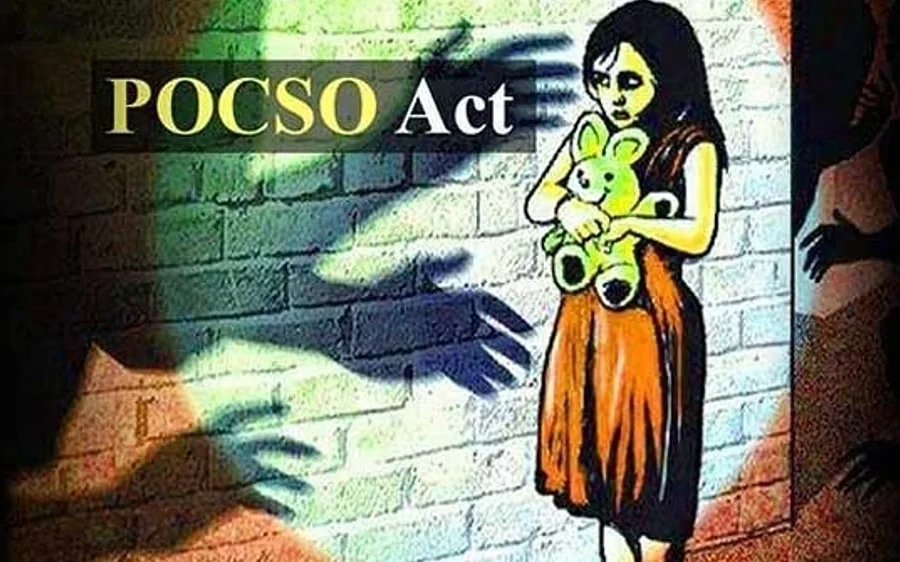
Understanding the POCSO Act in India: A Comprehensive Overview
By Clarity Counsel
The Protection of Children from Sexual Offences (POCSO) Act, 2012 is a landmark legislation enacted in India to safeguard children from sexual abuse, harassment, and exploitation. Recognizing the vulnerability of minors, the Act provides a robust legal framework to address offences against children below the age of 18 years, ensuring both protection and justice.
Key Objectives of the POCSO Act
The primary objective of the POCSO Act is to protect children from sexual offences through stringent laws and child-friendly judicial procedures. Unlike earlier laws, the Act is gender-neutral and recognizes that both boys and girls can be victims of sexual abuse. (Jagranjosh.com)
Additionally, the Act establishes Special Courts for speedy trial of offences and ensures that the child’s identity is protected throughout the legal process.
Types of Offences Covered
The Act categorizes offences into several types:
The Act also introduces “aggravated” forms of offences, which involve abuse by persons in authority (such as teachers, police officers, or family members) or offences against particularly vulnerable children.
Punishments Under the Act
The POCSO Act prescribes stringent punishments to deter offenders:
The severity of punishment reflects the seriousness with which the Indian legal system treats crimes against children.
Child-Friendly Procedures
One of the most notable features of the POCSO Act is its emphasis on child-friendly procedures. are recorded in a comfortable environment, often at their residence, and in the presence of a trusted individual. The child is not exposed directly to the accused during trial, minimizing trauma. (The Law Advice)
The Act also mandates confidentiality of the victim’s identity and provides for medical care, counseling, and rehabilitation.
Mandatory Reporting
The Act imposes a legal obligation on individuals to report any knowledge or suspicion of offences under POCSO. Failure to report such offences can lead to punishment, thereby ensuring greater accountability in society. (The Law Advice)
Conclusion
The POCSO Act represents a significant step toward protecting children from sexual offences in India. By combining strict punishments with child-sensitive procedures, the law aims to create a safer environment for minors. However, effective implementation, awareness, and timely reporting remain crucial for achieving its intended objectives.

